
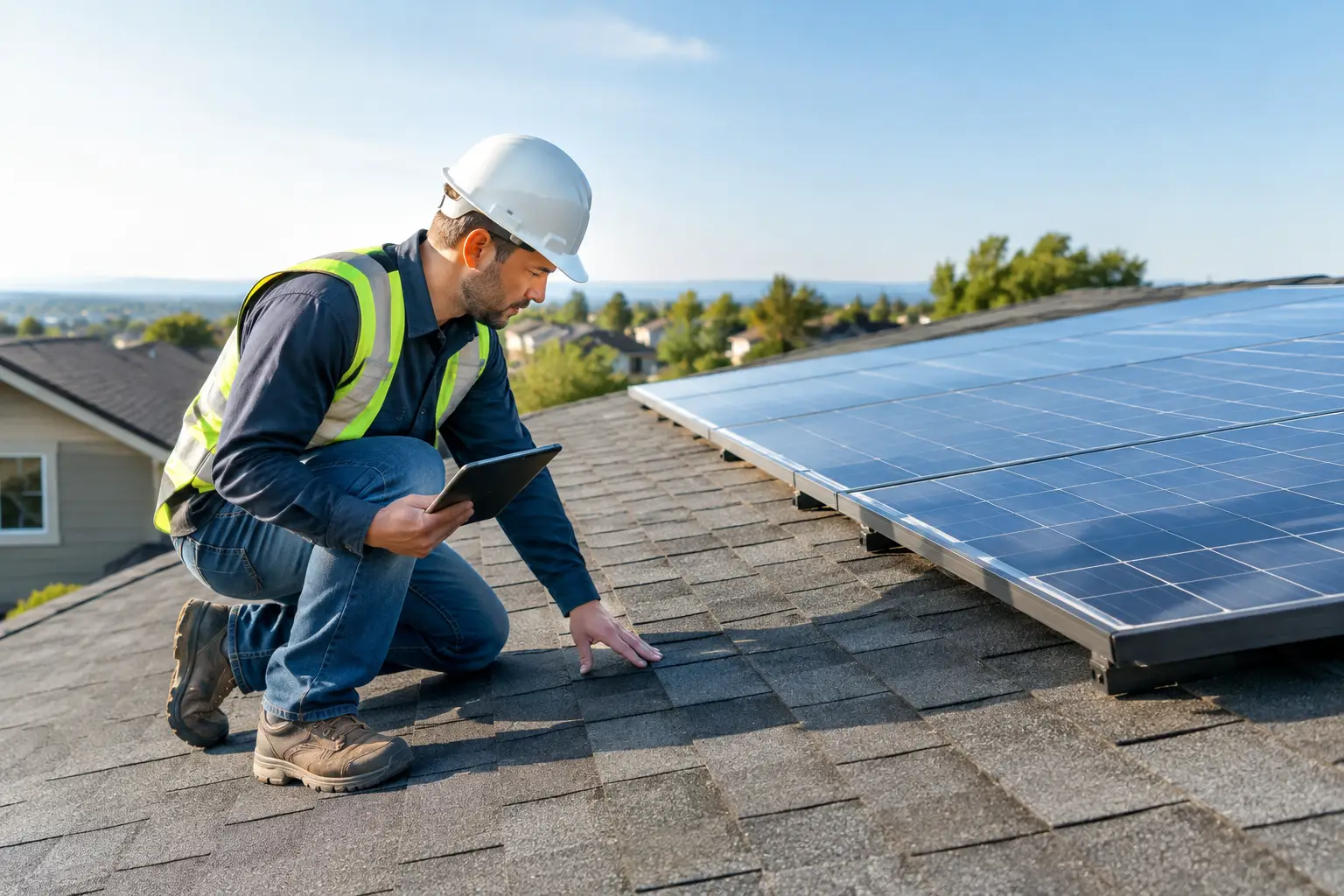
A solar system may sit on your roof, but a successful project starts well before the first panel is installed. Homeowners often ask what makes a roof solar ready because they want to avoid a costly surprise after deciding to move forward. The answer is not simply having open space. Your roof needs the right condition, layout, strength, sun exposure, and access to support a system designed to perform for years.
For homeowners across Virginia, North Carolina, South Carolina, and Georgia, solar readiness is also a chance to plan for the home you want next: lower utility bills, backup power during outages, and more control over how you use energy. Here are the details that matter most.
What Makes a Roof Solar Ready?
A solar-ready roof is structurally sound, in good condition, and positioned to receive useful sunlight. It also has enough workable space for panels and a home electrical system that can be safely coordinated with solar, and potentially battery storage.
Every home is different. A steep roof can still work well. A north-facing roof can sometimes support solar if the home has limited alternatives. Mature trees may be worth preserving even when they reduce production. The goal is not to force panels onto every available surface. It is to design a home energy system that delivers meaningful value without compromising the roof, the property, or your long-term plans.
1. Your Roof Has Enough Remaining Life
Solar panels are built for the long haul. If your shingles are near the end of their useful life, replacing the roof before solar is usually the smarter investment. Removing and reinstalling panels later to reroof adds labor, coordination, and expense that many homeowners would rather avoid.
As a practical rule, a roof with obvious wear deserves attention before solar planning moves ahead. Look for curled or missing shingles, frequent leaks, soft spots, damaged flashing, heavy granule loss, or signs of water staining inside the attic. Age matters too, but it is not the only factor. A well-installed roof may have years of life left, while a newer roof with storm damage may need repairs sooner.
A professional roof assessment provides clarity. If replacement is needed, pairing roofing and solar planning can help create a cleaner project from the start. The mounting layout, roof penetrations, flashing, and electrical pathways can all be considered together instead of handled as separate concerns.
2. The Roof Structure Can Carry the System
Solar panels and racking add weight to a roof, and that load must be properly supported. Most modern, well-built homes can accommodate a residential solar array, but qualified installers still evaluate the framing, roof deck, spans, and visible condition of the structure.
This is especially important on older homes, homes with previous additions, or roofs that have experienced water damage. A system should never be installed based on guesswork. Where needed, a structural review can confirm that the roof meets local requirements or identify reinforcement work before installation.
Quality craftsmanship matters here. Proper attachment points and weatherproof flashing protect the home while keeping the array securely anchored through changing seasons, wind, rain, and summer heat.
3. You Have Usable Roof Space, Not Just Roof Area
A large roof does not automatically mean a large solar system. Installers need uninterrupted, usable sections of roof that can accommodate panels while maintaining appropriate clearances around ridges, valleys, vents, chimneys, skylights, and roof edges.
Obstructions can limit design options, but they do not always stop a project. Panel placement can often be adjusted around plumbing vents or dormers. In some cases, moving a vent may be worthwhile during a roof replacement. In other cases, a smaller array may still make financial sense when paired with battery storage, energy-efficiency upgrades, or thoughtful electricity use.
The key is designing around real conditions, not idealized drawings. A good proposal should show where panels will go and explain why that layout was selected.
4. The Roof Gets Strong, Reliable Sunlight
Solar panels can produce electricity in indirect light, but direct sun remains a major driver of production. In the Southeast, a clear roof with exposure to the south, southeast, or southwest often offers excellent potential. East- and west-facing planes can also be valuable, especially for homeowners whose electricity use is highest in the morning or late afternoon.
Shade is the detail that deserves close attention. A nearby tree, chimney, neighboring home, or second-story roofline can cast shadows that change by season and time of day. A quick glance from the driveway is not enough. A proper site evaluation considers the sun’s path and identifies whether shading will materially affect the system’s output.
Tree trimming may improve production, but it is not always the right answer. Mature trees provide shade, beauty, and stormwater benefits. The best solar plan weighs those benefits against expected energy production and your family’s priorities.
5. Roof Shape and Material Support a Smart Installation
Asphalt shingle roofs are common and generally straightforward for residential solar installation. Metal, tile, and other roof materials can also support solar, but they may require different mounting methods, equipment, labor, and planning.
Roof pitch matters as well. A moderately sloped roof is often simple to work with, but steeper roofs are not automatically off the table. They may require additional safety measures and can affect installation cost. Flat or low-slope roofs may allow panels to be set at an angle using specialized racking, though wind loading and drainage need careful consideration.
The right question is not whether your roof looks like a textbook solar roof. It is whether the installation method can protect the roofing material and deliver the production your household needs.
6. Your Electrical System Is Ready for the Next Step
A solar-ready home needs more than a suitable roof. The electrical panel, meter location, grounding, wiring routes, and local utility requirements all influence what is possible.
Some homes have ample electrical capacity for solar and a battery. Others may need a main panel upgrade, subpanel work, or electrical improvements before adding major equipment. This is particularly common in older homes or households that are adding electric vehicle charging, heat pumps, induction cooking, or other electric upgrades.
Battery storage adds another planning layer. If backup power is a priority, your installer will help determine which circuits should remain on during an outage. Many homeowners choose essentials such as refrigeration, lights, internet, garage doors, and select outlets. Others want broader whole-home backup. The right choice depends on your budget, energy use, and expectations during an extended outage.
Planning solar, batteries, roofing, and electrical work as one coordinated project can prevent unnecessary rework later. Rose Energy approaches these decisions with a consultation-led process, so homeowners can understand the options before committing to a design.
7. Local Rules and Access Are Accounted For
Permitting, utility interconnection, homeowner association guidelines, and local building codes are part of every responsible solar project. Requirements vary by location, so a design that works in one neighborhood may need adjustments in another.
Safe access matters, too. Installers need a practical path to the roof and adequate space for equipment, staging, and electrical work. Landscaping, fences, narrow side yards, and detached structures may affect logistics, but experienced teams can often plan around them.
A clear site review should identify these issues early. That protects the schedule and helps avoid last-minute changes that could affect cost or system size.
When Should You Evaluate Solar Readiness?
The best time is before you need a new roof, not after an emergency repair. If your roof is aging, your utility bills keep rising, or outages have made backup power feel less optional, a solar readiness assessment can help you make decisions on your schedule.
It also makes sense to evaluate your roof before major home upgrades. If you are considering a battery, electric vehicle, heat pump, or an addition to your home, understanding your electrical capacity and solar potential can help you plan the project in the right order.
A roof does not need to be perfect to be solar ready. It needs an honest evaluation, a thoughtful design, and workmanship that respects the home beneath the panels. A free consultation can turn questions about your roof, energy use, and outage protection into a practical plan for a stronger, more independent home.
Leave a Reply