
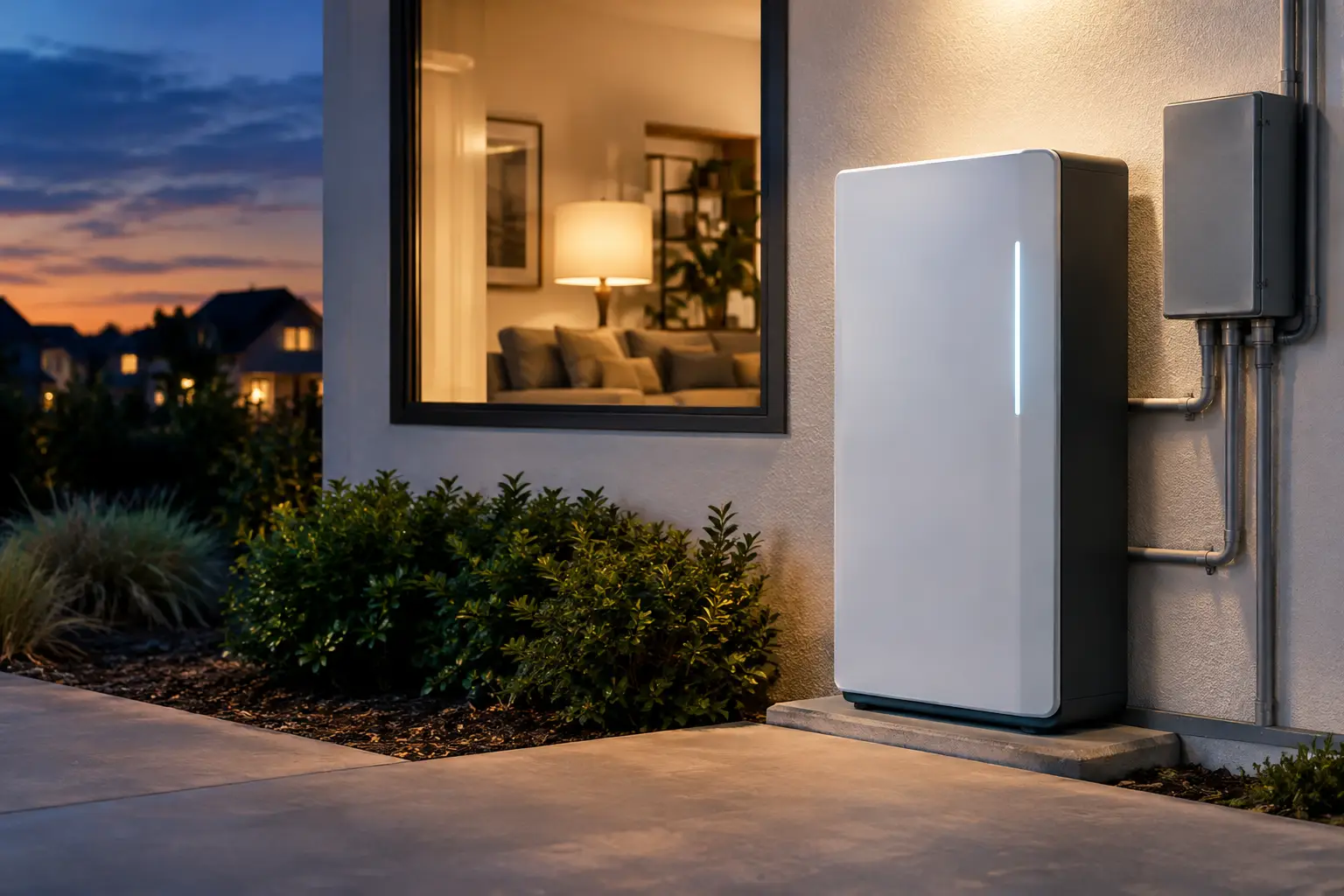
A battery can keep the lights on through a short outage, preserve food during an overnight storm, or support critical loads through a multi-day grid disruption. The difference comes down to your home’s energy use and the system designed for it. If you are asking, “how long does home battery backup last,” the honest answer is: anywhere from a few hours to several days, depending on what you ask it to power.
For homeowners across Virginia, North Carolina, South Carolina, and Georgia, that question has become more practical. Summer storms, hurricane-season outages, winter weather, and an aging grid can all interrupt service when your family needs power most. A properly designed battery system gives you more control, but it works best when it is sized around your priorities rather than a one-size-fits-all estimate.
How Long Does Home Battery Backup Last?
Most home battery systems are measured in kilowatt-hours, or kWh. That number represents how much energy the battery can store. A battery with 13.5 kWh of usable storage, for example, may run essential home loads for roughly 8 to 24 hours without solar recharging. That range is wide because a home’s power demand can change dramatically from one hour to the next.
A refrigerator, internet equipment, a few lights, phone chargers, and a gas furnace blower use far less energy than central air conditioning, electric heat, an electric water heater, a pool pump, or an EV charger. The more high-demand equipment you run during an outage, the faster the stored energy is used.
Battery capacity is only one part of the conversation. The battery’s power rating also matters. Capacity tells you how much energy is available over time. Power tells you how much equipment can run at once. A system may have enough stored energy to last overnight, but it still needs enough output to start and operate the appliances you consider essential.
Your Backup Goal Determines Runtime
The best starting point is not, “What is the biggest battery available?” It is, “What do we want to keep running when the grid is down?” For many families, the answer is an essential-load backup plan. This keeps the most meaningful circuits operating while avoiding the equipment that drains a battery quickly.
An essential-load setup often supports refrigeration, selected lights, outlets for charging and communication, Wi-Fi, a garage door opener, security equipment, and certain heating or cooling components. If your home uses natural gas or propane heat, a battery can often power the furnace blower and thermostat. That can make a major difference during a winter outage.
Whole-home backup takes a broader approach. It can cover more circuits and provide a more normal at-home experience, but it usually requires additional battery capacity and careful load management. Even a whole-home system may be programmed to limit certain large appliances during an outage. That is not a shortcoming. It is smart energy management that helps your stored power last when it matters.
Consider these examples:
- A modest battery supporting only a refrigerator, lights, Wi-Fi, and charging may cover a typical overnight outage and possibly much longer with conservative use.
- A larger battery system serving essential loads, including a furnace blower or limited cooling, may provide a full day or more before needing recharge.
- A whole-home system running central air conditioning, electric cooking, laundry, and other heavy loads can use stored energy much faster, sometimes in only several hours.
Your actual result depends on the equipment in your house and your family’s habits during the outage. Setting the thermostat a few degrees higher in summer, avoiding the dryer, and delaying electric vehicle charging can extend backup time substantially.
Solar Can Extend Battery Backup Far Beyond One Night
A battery without solar is a reserve of stored electricity. Once it is depleted, it must wait for the grid to return or for another approved charging source. Pairing battery storage with solar panels changes the equation.
During daylight hours, solar panels can power your home and recharge the battery when production exceeds your needs. With enough solar production, sensible energy use, and favorable weather, a solar-plus-storage system can continue supporting essential loads day after day. It does not mean the system produces unlimited power. Cloud cover, short winter days, shade, panel orientation, and heavy household demand still affect performance.
This is why the goal should be resilience, not a promise that every appliance will run exactly as it does on a normal grid-connected day. A thoughtfully designed solar and battery system gives your household options. You can protect the loads that matter most, use daytime solar wisely, and reserve stored power for nighttime or severe weather.
In the Southeast, summer cooling is often the biggest planning factor. Air conditioners can consume a significant amount of electricity, especially during long stretches of heat. Some homeowners choose to back up a smaller, high-efficiency cooling zone, manage thermostat settings, or add battery capacity so comfort and runtime are better balanced.
What Drains a Home Battery Fastest?
The appliances that create heat, move air, or charge large vehicles typically use the most electricity. Central air conditioners and heat pumps, electric resistance heat, electric water heaters, clothes dryers, ovens, ranges, well pumps, pool equipment, and EV chargers can all shorten runtime quickly.
That does not mean these loads are automatically off limits. It means they should be discussed during system design. An experienced installer can evaluate your electrical panel, usage history, critical equipment, and goals for outage protection. In some cases, automatic controls can prioritize battery power for the loads you value most and reduce unnecessary demand when the grid goes down.
Small, always-on loads matter too. A house full of televisions, gaming systems, decorative lighting, and plugged-in devices can add up over many hours. During an outage, a few intentional choices can stretch your backup power without making life uncomfortable.
How to Plan for the Right Battery Size
Start by identifying the outage you want to be prepared for. Is your main concern a two-hour interruption? An overnight storm? A hurricane-related outage that may last several days? Your answer shapes the storage capacity, solar design, and backup configuration your home needs.
Next, make a realistic list of essential loads. Think beyond lights and phones. Include refrigeration, medical equipment, internet access for remote work or school, sump pumps, well pumps, security systems, garage access, and heating or cooling needs. Then decide which large loads are worth supporting and which can wait until utility power returns.
Your utility bills provide useful clues, but total monthly usage does not tell the whole story. A home may use a large amount of energy over a month while having only a modest essential-load requirement during an outage. On the other hand, a household with electric heating, a well pump, or multiple HVAC systems may need a more tailored design.
A consultation should also account for your roof and solar potential. Panel placement, roof condition, shading, and available space affect how much daytime energy your system can produce. If a roof replacement is needed before solar installation, coordinating roofing, solar, battery storage, and electrical work can help avoid unnecessary disruption later.
Battery Backup Is About Confidence, Not Just Hours
Runtime is a useful number, but it is not the only measure of a good backup system. The real value is knowing your family can keep food cold, stay connected, maintain critical comfort, and respond to an outage with a plan instead of a scramble.
The right system is built around your home, your energy habits, and your priorities. Rose Energy helps homeowners evaluate those details with professionalism, craftsmanship, and straightforward guidance, from solar and battery design to the electrical and roofing considerations that support a long-lasting project.
A free consultation can turn a broad question about battery runtime into a clear plan for your household. The future is electric, and a well-designed home energy system can help you meet it with more independence and peace of mind.
Leave a Reply