
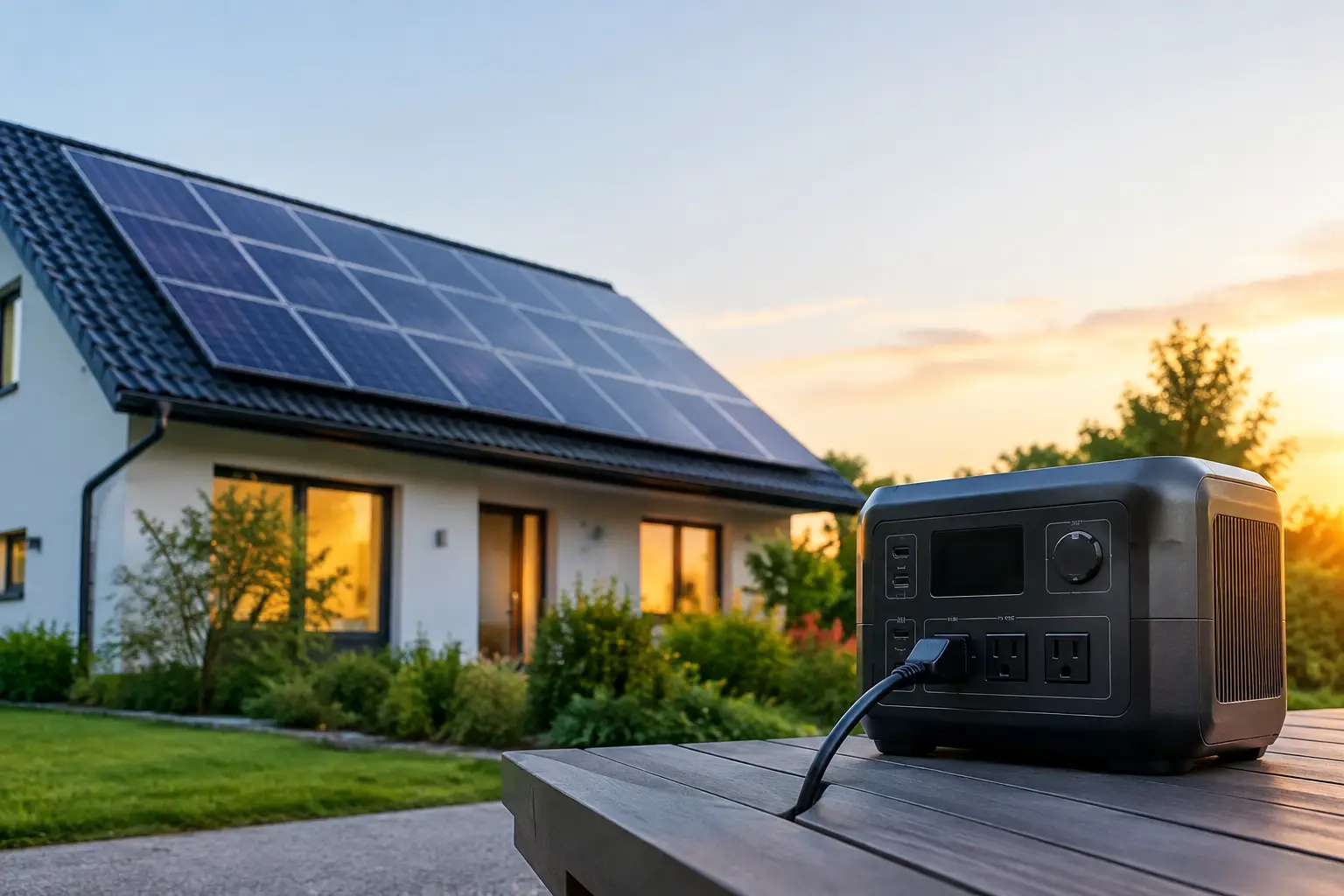
A storm rolls through, the neighborhood goes dark, and your solar panels are sitting in full daylight. It is natural to expect the lights to stay on. Yet for most homes, solar panels during power outage conditions will not provide electricity on their own. The missing piece is usually not the panels – it is a properly designed battery storage and backup system.
For homeowners across Virginia, North Carolina, South Carolina, and Georgia, that distinction matters. Storm-related outages, aging grid equipment, and extreme weather can interrupt power with little warning. A home energy system can offer meaningful protection, but only when it is built to do more than reduce a monthly utility bill.
Why solar panels shut off when the grid goes down
Most residential solar systems are grid-tied. During normal operation, your panels produce electricity, your home uses what it needs, and any excess may flow to the utility grid. This arrangement is efficient and can lower the amount of power you buy from your utility.
When the grid fails, however, a standard grid-tied solar inverter automatically shuts down. This safety feature is called anti-islanding protection. It prevents electricity from flowing back through utility lines while crews are repairing them, helping protect the people working to restore service.
That means panels can be producing power on a bright day while your home remains without electricity. It can feel counterintuitive, but it is a required safety response, not a problem with your equipment.
Some inverter models offer limited daytime backup capabilities, but these setups have restrictions. They may only power a dedicated outlet, require favorable sunlight, and provide little help after sunset or when heavy cloud cover moves in. For most families, that is not the same as dependable whole-home or essential-load backup.
Solar panels during a power outage need battery storage
A solar battery stores energy for use when the sun is not producing enough power or when the utility grid is unavailable. More importantly, it gives the system a stable local power source to work from during an outage. With the right equipment, your home disconnects safely from the grid and continues operating as its own controlled energy system.
The process happens quickly. When an outage is detected, backup equipment isolates the home from the utility lines. The battery begins supplying electricity to selected circuits or, in some designs, much of the home. If the sun is out, the solar panels can recharge the battery while also helping meet your home’s active energy needs.
This is why solar and storage work best as a pair. Panels create renewable energy. The battery makes that energy available when it matters most.
Your results still depend on system design. A battery does not create unlimited electricity, and solar production changes with the weather, season, roof orientation, shade, and time of day. A quality installation starts by matching your expected power needs with realistic battery capacity and solar production.
What can a solar battery power during an outage?
The right answer depends on whether you want to protect essential loads or pursue broader home backup. Many homeowners choose essential-load backup because it focuses battery capacity where it delivers the most comfort and security.
An essential-load setup can often support items such as refrigeration, lighting, internet equipment, phone charging, select outlets, a garage door opener, and critical medical equipment. Depending on the design, it may also support a well pump, sump pump, security system, or heating and cooling equipment.
Larger loads require more planning. Electric resistance heat, central air conditioning, pool equipment, electric water heaters, ovens, clothes dryers, and electric vehicle charging can consume substantial energy. That does not mean they are impossible to back up. It means the battery, solar array, electrical equipment, and homeowner expectations must all be sized accordingly.
A family that wants the refrigerator, Wi-Fi, lights, and a few outlets to operate overnight may need a very different system than a homeowner who wants to run central air during a multiday summer outage. There is no one-size-fits-all answer, which is why a consultation should begin with how you actually live in your home.
Battery runtime is about habits, not just capacity
Battery capacity is often discussed in kilowatt-hours, but homeowners should think in practical terms: What must stay on, for how long, and how much solar recharge can the roof provide the next day?
During an outage, small choices can extend available backup power. Running only needed lights, avoiding high-draw appliances, setting sensible thermostat temperatures, and charging devices during daylight hours all help manage stored energy. A battery system is designed for comfort and resilience, not for ignoring energy use altogether.
With solar recharging the battery each day, an outage can be more manageable than relying on battery capacity alone. Still, several cloudy days or unusually high household demand can reduce available backup time. Honest planning accounts for those conditions before installation.
Choosing between essential backup and whole-home backup
Essential-load backup is a practical fit for many homes. It protects the equipment and spaces your family relies on most while keeping the system investment focused. It is particularly valuable for homeowners who want peace of mind during shorter outages without attempting to power every appliance at once.
Whole-home backup offers a broader level of independence. It may allow more circuits and major appliances to remain available, but it generally requires more battery capacity, more sophisticated electrical design, and a larger investment. Homes with electric HVAC, electric cooking, well pumps, or high everyday consumption often need careful load management even with a large system.
The best choice is not automatically the biggest battery. It is the system that supports your priorities with dependable performance and a clear understanding of trade-offs. A well-designed essential-load system can be far more valuable than an oversized promise that does not match your budget or roof production.
Your roof and electrical panel matter, too
Backup performance starts long before the first outage. Solar panels need a roof with enough useful space, sound structure, and a remaining service life that makes sense for a long-term solar investment. If a roof is nearing replacement, handling roofing work before or alongside solar installation can prevent the cost and disruption of removing panels later.
Your electrical panel and service equipment also affect what is possible. Older homes may need electrical upgrades to safely integrate solar, batteries, and backup circuits. This is especially relevant when adding high-demand equipment such as an electric vehicle charger, heat pump, or upgraded HVAC system.
A coordinated approach to solar, battery storage, roofing, and electrical work keeps the project organized. Instead of treating each component as a separate issue, the system can be designed around the home as a whole.
Questions to ask before investing in outage protection
Before choosing a system, ask which loads will be backed up, how long the battery is expected to last under typical use, and whether solar can recharge it during an extended outage. Ask how the system responds when the grid fails, what equipment will be installed, and whether your roof or electrical panel needs attention first.
It is also smart to discuss financing options in the context of your household goals. Some homeowners prioritize the lowest monthly utility cost. Others place greater value on keeping food fresh, staying connected for work, protecting a sump pump, or maintaining a comfortable home during severe weather. A strong plan addresses both affordability and resilience without overselling either.
At Rose Energy, the focus is on helping homeowners build a system that fits their property, priorities, and long-term plans. With experienced solar and electrical guidance, quality craftsmanship, and a clear installation process, a battery-backed solar system can become a practical investment in a stronger home.
The next time the forecast calls for high winds, heavy rain, or ice, imagine more than simply waiting for the utility to restore service. A thoughtfully designed solar and battery system can give your household more control, more comfort, and a better way to move forward when the grid cannot keep up.
Leave a Reply